

How to snowboard safely: safety tips for beginners
When you step onto a snowboard for the first time, having the right gear is everything. Imagine trying to cook a delicious meal with nothing but a spoon and no pan – it won’t end well! Snowboarding is just the same. You …
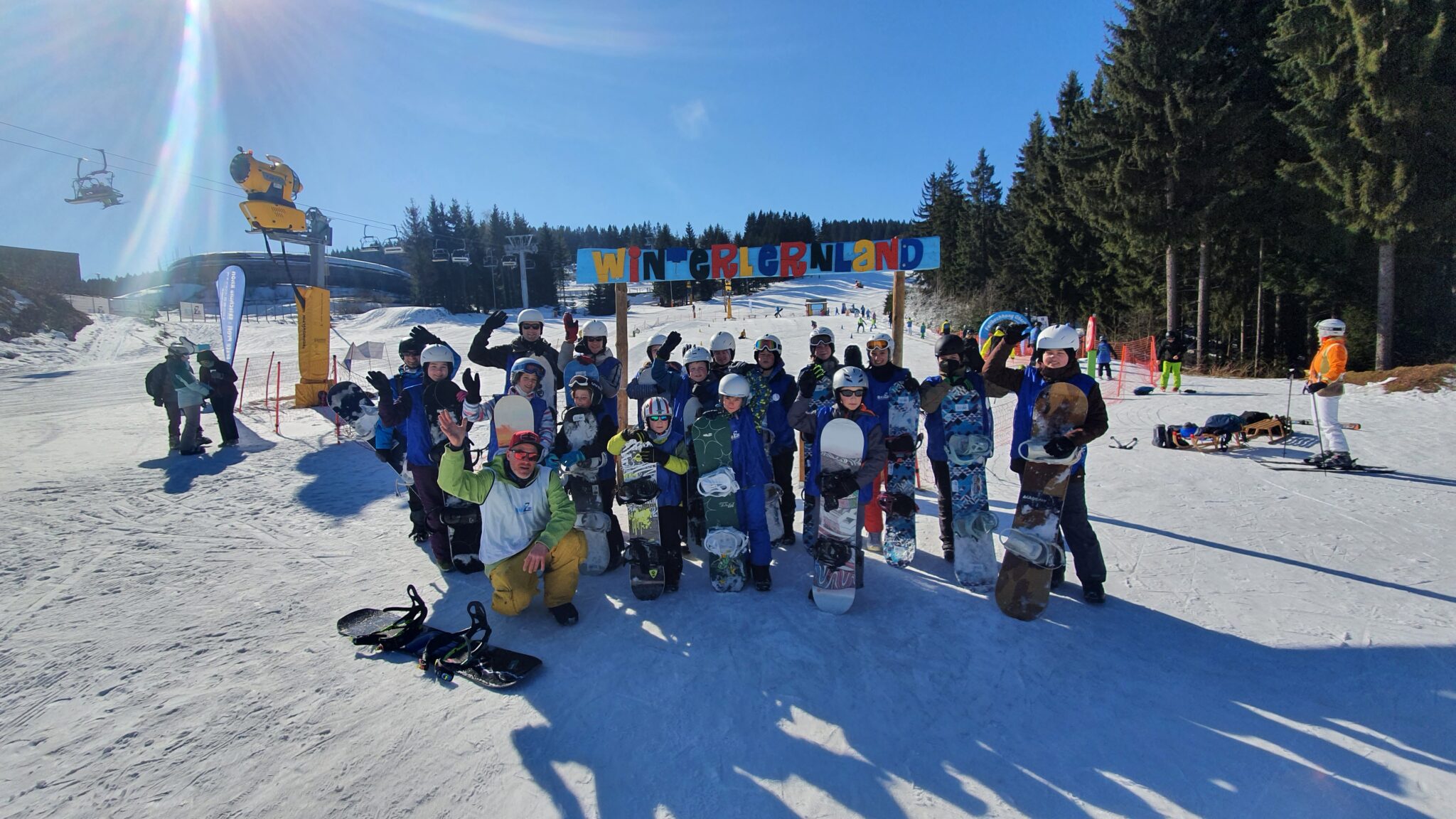
When you step onto a snowboard for the first time, having the right gear is everything. Imagine trying to cook a delicious meal with nothing but a spoon and no pan – it won’t end well! Snowboarding is just the same. You need a board that suits your riding style and your ability. A beginner board is usually softer and more forgiving of mistakes, while an advanced board is stiffer and offers more control. Don’t forget the bindings either! They should fit well so you don’t feel like your feet are about to fly off while you ride. And hey, cool sunglasses aren’t just about style – they protect your eyes from the glaring sun on the snow. But your gear doesn’t stop at the board. You need the right clothing too! Nothing is worse than standing around in cold weather in wet clothes. Invest in a good snowboard jacket and trousers that keep you warm and dry. And don’t forget your base layers – thermal underwear is your best friend! Gloves and a helmet are also essential. A helmet protects your head in case you take an unlucky fall (and believe me, that happens to all of us). Once you have all these pieces together, you’re ready to hit the slopes!
Key takeaways
- Make sure you have the right gear for snowboarding, including a helmet, goggles and suitable clothing.
- Choose terrain that matches your ability and experience to avoid accidents.
- Pay attention to the right technique and posture to avoid injuries and ride efficiently.
- Adjust your speed to the conditions and your ability to stay safe and avoid accidents.
- Follow the rules of the slopes to avoid collisions and keep everyone safe.
Why the right terrain matters
Now that you’re kitted out, let’s talk about terrain. You wouldn’t race a sports car down a gravel track, would you? In the same way, choosing the right terrain is important in snowboarding.
As a beginner, you should stick to the blue runs – they’re like the gentle slopes in the skate park where you’d practise on your skateboard. These runs are less steep and give you the chance to improve your technique without plunging straight into the depths of the black runs. Once you feel more confident and your skills develop, you can venture onto the red runs.
Things get a bit more demanding here, but don’t worry – with a bit of practice you’ll soon improve! Remember that the terrain also depends on the conditions. On a sunny day the snow can be soft and inviting, while on a cold day it can be hard and icy.
Pay attention to how the snow feels and choose your terrain accordingly. That way you can make sure you have fun and stay safe at the same time!
The right technique and posture
Now we come to the heart of snowboarding: technique and posture. When you’re standing on the board, it’s important to adopt a relaxed stance. Imagine you’re a surfer on a wave – you need to be flexible and able to adapt!
Your knees should be slightly bent to help you keep your balance, and your upper body should face the direction of travel. If you try to stand on the board as stiff as a plank, you’ll soon notice that it doesn’t work. You have to move and communicate with the board!
A common mistake beginners make is tensing up or leaning too far forward. This often leads to falls or runs that get out of control. Instead, try to keep your centre of gravity over the board and make your movements smooth.
When you make a turn, lean your body in the direction you want to go – it’s like driving a car: if you want to turn left, you turn the steering wheel to the left! Practise these techniques again and again and soon you’ll be gliding down the slopes like a pro.
Why the right speed matters
Another important aspect of snowboarding is the right speed. You’ve probably heard the saying “slow and steady wins the race”. That applies here too! If you ride too fast, you’ll quickly lose control and that can lead to falls.
So start slowly and get used to the feeling of riding on the board. You’ll notice that it’s much easier to stay in control when you ride at a moderate speed. Once you feel more confident and your technique has improved, you can gradually increase your speed.
But be careful – it’s easy to get carried away by speed! Make sure you can still control your movements and brake or turn in time. A good tip is to always keep an eye on the piste ahead of you and watch out for possible obstacles or other riders.
That way you can react in time and stay safely on your feet!
Following the rules of the slopes
When you’re out on the slopes, there are some rules you should follow – yes, snowboarding has rules too! It’s important that all riders treat each other with respect and stick to the rules. One of the most important rules is to always look down the slope and pay attention to what’s happening in front of you.
So if you want to overtake another rider, make sure the way is clear and that you don’t put them at risk. You should also pay attention to how you behave at the lifts. When you get on or off the lift, be careful and make sure you don’t get in anyone’s way.
There’s nothing more embarrassing than falling right at the lift – believe me! And if you fall? No problem!
Just get back up quickly and carry on – everyone has a bad day on the board now and then. By following these rules, you help make sure everyone has a good time and stays safe.
Why communication matters
Communication is just as important in snowboarding as in any other sport. If you’re out with friends or riding in a group, it’s important to keep each other informed. That doesn’t just mean shouting “Watch out!” when someone falls (although that’s important too), but also agreeing clearly: where are we heading?
Who wants to take a break? If you keep each other informed and look out for one another, your day on the slopes will be much more enjoyable. Another aspect of communication is understanding other riders’ body language.
If someone in front of you suddenly slows down or leans to the side, it could be a sign that they’re about to turn or are having difficulties. Watch out for this and react accordingly! That way you can avoid accidents and everyone gets through the day safely.
And hey – if you’ve found a great run or tried out a cool trick, share your excitement with each other! It makes snowboarding even more fun.
Why first aid knowledge matters
There’s nothing worse than a fall on the slopes – except perhaps not knowing what to do! That’s why it’s important to have a basic knowledge of first aid. You don’t have to be a doctor, but a little simple know-how can make all the difference.
If someone falls and is injured (and yes, that can happen to anyone), you should know how to react properly: call for help and stay with the person until help arrives. You should also always carry a small first aid kit – it can help you quickly treat minor injuries such as grazes or bruises. And don’t forget: if someone is seriously injured or seems unresponsive, don’t hesitate to alert the lift staff or the piste rescue service!
Safety comes first – after all, we all want to get home in one piece.
Why the weather forecast and avalanche risk matter
Before you head out to the slopes, you should definitely check the weather forecast. The weather can change quickly and doesn’t just affect your riding conditions but your safety too! A sunny day can turn into a stormy afternoon – and when that happens, the snow can become dangerous.
Check whether there’s been fresh snow or whether avalanche warnings have been issued. If you’re riding in an area where there’s a risk of avalanches (and yes, there are such areas!), find out about the current conditions and follow the advice of the local authorities. Nothing is more important than your safety!
If conditions are uncertain or warnings have been issued, it’s better to stay on the secured pistes – there will always be another chance for deep-snow adventures! By following these tips and staying well informed, you can make sure your day on the slopes is both exciting and safe. To sum up: snowboarding is huge fun – as long as you’re well prepared!
With the right gear, an understanding of the terrain and solid technique, you’re perfectly equipped for your adventure on the slopes. Remember: safety comes first! Stick to the rules of the slopes and communicate with your friends.
And don’t forget: a little first aid knowledge never hurts! So grab your board and head for the slopes – I can’t wait to hear how much fun you had!
If you’re just starting out with snowboarding and are interested in safety tips, it might also help to learn about the common mistakes beginners make. I recommend reading the article The most common beginner mistakes in snowboarding and how to avoid them. It offers valuable insights and practical tips on how to avoid these mistakes, which will make your learning experience safer and more enjoyable.
FAQs
What are the most important safety tips for beginner snowboarders?
As a beginner snowboarder, it’s important to wear the right protective gear, such as a helmet, wrist guards and protectors. You should also always follow the rules of the slopes and approach new techniques and tricks gradually.
Which gear is especially important for safety when snowboarding?
The most important gear for your safety when snowboarding is a well-fitting helmet, wrist guards, a back protector and knee pads. This protective gear can prevent injuries and give you more confidence on the board.
How can you protect yourself from avalanches when snowboarding?
To protect yourself from avalanches when snowboarding, you should always check the current avalanche warnings and find out about the terrain. It’s also advisable to carry avalanche safety equipment consisting of an avalanche transceiver, a probe and a shovel.
What are the most important rules of the slopes for beginner snowboarders?
As a beginner snowboarder, you should know the rules of the slopes well and follow them. These include being considerate of other winter sports enthusiasts, choosing an appropriate speed and taking visibility and terrain conditions into account.
How can you prepare for snowboarding in different terrain conditions?
To prepare for snowboarding in different terrain conditions, it’s important to keep improving your skills and to approach new challenges gradually. You should also find out about the current snow and weather conditions and adapt your gear accordingly.
You might also like
Snowboard competitions: beginner-friendly events
Snowboard competitions are like the Olympics for everyone who loves the feeling of freedom and adrenaline on the slopes. Imagine standing on your board, surrounded by …
How to look after your snowboard gear properly
When you put your snowboard back in the garage after an epic day on the slopes, it’s easy to just leave it there and assume it’ll …

The best snowboard brands for beginners
Choosing the right snowboard brand is like deciding whether to take your coffee with or without milk – it can make a huge difference! When you’re …