

The most common beginner mistakes in snowboarding and how to avoid them
When you step onto a snowboard for the first time, choosing the right gear can feel like a giant jigsaw puzzle where the pieces just won’t fit together. I remember my first day on the slopes, when I hired a board that …
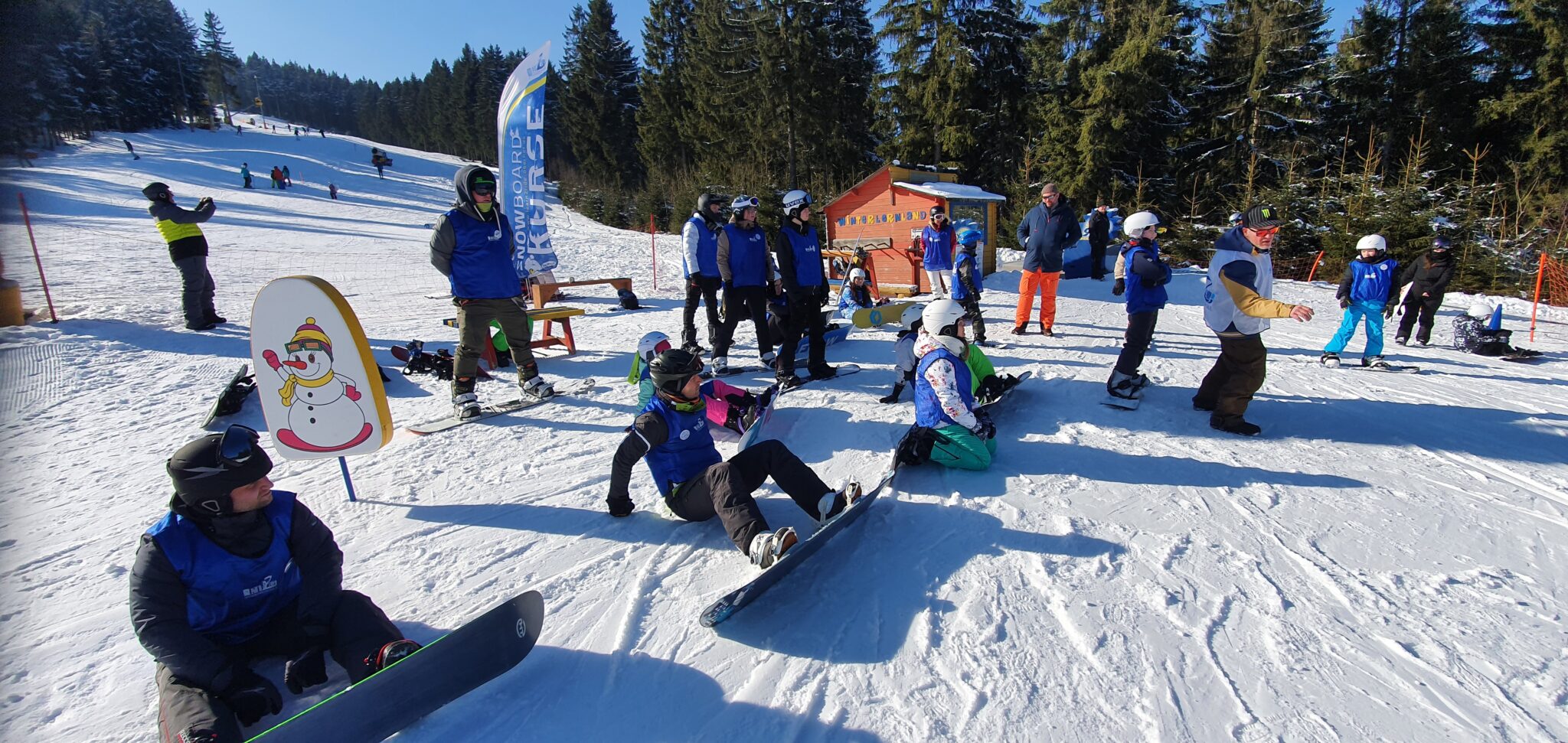
When you step onto a snowboard for the first time, choosing the right gear can feel like a giant jigsaw puzzle where the pieces just won’t fit together. I remember my first day on the slopes, when I hired a board that was far too big for me. I felt like a penguin on a skateboard – totally clumsy!
Choosing your board is crucial, because it should suit your weight, your height and your riding style. A board that’s too big can throw you off balance while you ride, while one that’s too small won’t give you the stability you need. So before you venture onto the slopes, take the time to choose the right board.
It’s like ordering pizza: you don’t want the wrong combination of toppings! But it’s not just the board that matters – bindings and boots play a big part too. If your boots are too loose, you’ll flap around like a fish out of water while you ride.
And if they’re too tight, every turn becomes torture. I once spent a whole day with aching feet just because I hadn’t paid attention to the fit. Make sure everything fits well and is comfortable, because that makes the difference between a fun day on the slopes and a painful one.
So before you get going, make a plan and choose your gear carefully – your future self will thank you for it!
Key takeaways
- Choose the right gear to suit your riding ability and your height to avoid accidents.
- Pay attention to the correct posture while riding to avoid back and joint problems.
- Adjust your speed to the conditions and your ability to prevent falls.
- Use the right technique when turning to stay in control of your snowboard.
- Choose a run that matches your ability so you don’t get out of your depth.
- Assess your own ability realistically to prevent accidents caused by overconfidence.
- Prepare properly for snowboarding to avoid injuries caused by a lack of fitness.
- Never ignore the safety rules, to prevent accidents on the slopes.
The wrong riding posture
Posture is everything in snowboarding. Imagine you’re a surfer on a huge wave – you have to be in the right position so you don’t get thrown off! If you make yourself too stiff while riding or bounce around like a kangaroo, it won’t end well.
I remember a mate of mine who kept trying to ride with a stiff posture. He looked like someone out of an old black-and-white film – completely rigid! The right posture means bending your knees slightly, leaning your upper body forward and keeping your arms relaxed.
That way you can react better to the board’s movements and stay balanced. Another important point is shifting your weight. You make every turn either on your toe edge or on your heel edge: for the toe edge you shift your weight onto the balls of your feet, for the heel edge onto your heels.
If you don’t, you’ll soon find your board developing a mind of its own and you suddenly end up in the snow. I’ve experienced it myself – once I just carried on straight ahead while I was trying to make a turn. The result?
A spectacular wipeout! So make sure you’re always in the right position and can shift your weight accordingly. That will help you glide smoothly down the slopes.
Choosing the wrong speed
Speed is another crucial factor in snowboarding. Too fast and you feel like someone on a rollercoaster without a safety belt; too slow and it feels like you’re riding at a snail’s pace. I remember a day when I thought I’d really put my foot down and race down the piste.
That was a wild ride! I felt like I was about to take off and fly into the sky. But then came the turn – and I wasn’t ready for it.
Suddenly I was in the snow, with more snow in my face than on my board! It’s important to judge your speed well and adjust it to your ability and the conditions on the piste. If you’re just starting out, it’s better to ride a little more slowly and get used to the movements.
You can always go faster once you’ve gained more experience. A good tip is to ride with friends and watch how fast they go. If they’re faster than you and still having fun, maybe it’s time to speed up a bit.
But be careful – it’s better to ride in control and safely than to chase down the slope like a mad hare! Remember: snowboarding is supposed to be fun, not end in a painful fall.
The wrong turning technique
Turning can be a real challenge for many beginners – I can confirm that from my own experience! When I started, I thought I could just go into a turn like a skier and everything would be fine. Spoiler alert: it didn’t work! Instead, I went flying into the snow several times and almost broke my wrist. The right turning technique means shifting your weight and turning your upper body in the direction you want to go. It’s like dancing – if you’re out of step, things get chaotic! On a snowboard, every turn is made on one of your two edges: for a toe-side turn you press through the balls of your feet and bend your knees slightly; for a heel-side turn you shift your weight onto your heels, as if you were about to sit down. Another important point is “pressing” the board into the turn. Imagine your board working like a skateboard on a ramp: when you put pressure on the edge, it helps you make the turn better. I’ve often seen beginners trying to steer with just their upper body – that doesn’t really work! So practise turning regularly and make sure you can shift your weight properly. With a bit of practice, you’ll soon be gliding down the slopes like a pro!
Choosing the wrong run
Choosing the right run can make the difference between a great day on the slopes and a frustrating one. If you’re just starting out, you shouldn’t throw yourself down the steepest runs straight away – that could quickly backfire! I remember a friend of mine who chose a black run even though he’d only stood on a board once before.
The result? One epic fall after another! It’s important to know that there are different levels of difficulty: blue for easy, red for intermediate and black for difficult runs.
Choose a run that matches your ability and work your way up slowly. You should also take the conditions on the piste into account. On some days the snow can be soft and powdery – perfect for beginners!
On other days it can be frozen hard, making it more difficult to keep your balance. So if you can see that the conditions on the piste aren’t ideal or that lots of people are getting in each other’s way, think carefully about whether you really want to ride there. There’s nothing worse than a day full of frustration on a run that just doesn’t suit you!
Misjudging your own ability
Being able to judge what you can and can’t do – that’s an art in itself! I’ve often seen beginners overestimate themselves and end up with a painful fall. I remember my first snowboarding trip: I was full of confidence and thought: “I can do this!” So I went straight onto a red run – what a mistake!
After just a few minutes I’d landed in the snow and spent more time picking myself up than actually riding. It’s important to recognise where your limits are and respect them. That doesn’t mean you shouldn’t challenge yourself, though!
It’s about being realistic and improving step by step. If you notice that a particular technique or run just isn’t working for you, take a step back and work on your basics. You’ll be surprised how much faster you make progress when you take your time!
And hey – everyone starts small; even the best snowboarders had to take their first steps at some point!
Poor preparation for snowboarding
Preparation is everything – and that goes for snowboarding too! If you just jump in the car and drive to the slopes without thinking about what you need or what to expect, it could end badly! I remember one winter’s day: I was so excited about going snowboarding that I forgot all my gear – including my gloves!
Believe me: nothing is worse than cold hands while you ride! Make sure you have everything with you: from your gear and warm clothing to snacks for in between. You should also prepare your body!
A little warm-up before riding can work wonders – it doesn’t just help prevent injuries, it also makes your movements smoother. Do a few stretches or just go for a short walk before you step onto your board. And don’t forget: staying hydrated is important!
Nothing is worse than getting thirsty while you’re riding – so take a water bottle with you! With the right preparation you’re perfectly equipped for a great day on the slopes.
Ignoring the safety rules
Safety should always come first – whether snowboarding or in everyday life! I’ve seen lots of people who simply don’t think about safety rules and then get into trouble. For example: always wear a helmet!
I know it looks cool to ride without a helmet (and yes – I’ve ridden without one too), but believe me: a helmet really can save your head! There’s nothing worse than waking up in hospital with concussion after a fall. You should also always keep an eye on the other riders around you.
There’s nothing worse than colliding with another snowboarder or skier! Keep your distance from other riders and make sure you’re always in control – especially when the piste gets busy. And if you fall (which happens to everyone), try to get up again quickly and clear the way – that way you prevent further accidents!
Safety should always be a priority; after all, we all want to have fun and come off the slopes in one piece! To sum up: snowboarding can be one of the most exciting activities there is – as long as you keep a few basic things in mind! From the right gear and posture to choosing your runs, there are lots of things to consider.
But don’t worry: with a bit of practice, you’ll soon be gliding through the snow like a pro! So grab your board and head for the slopes – I’m already looking forward to hearing about your adventures!
If you’re just starting out with snowboarding, it’s important to avoid common mistakes so you make quick progress and avoid injuries. A helpful article on this topic could be very useful for you. And if you’re interested in developing your skills further and perhaps even becoming a snowboard instructor, you should take a look at the opportunities on offer on the Learn2Ride Oberhof website. Visit this page to find out more about a career as a snowboard instructor in Oberhof. You’ll find all the information you need there to take the next step in your snowboarding career.
FAQs
What are the most common mistakes beginners make when snowboarding?
The most common beginner mistakes in snowboarding are not having suitable gear, poor posture, a lack of balance and the wrong technique for braking and turning.
How can I avoid using the wrong gear?
To avoid the wrong gear, get advice from a specialist before you buy. Make sure your snowboard boots fit well and that your snowboard is the right length and width for your ability and your height.
How can I improve my posture?
To improve your posture, make sure your back is straight, your knees are slightly bent and your weight is spread evenly over both feet. Keep your arms relaxed and in a natural position.
How can I improve my balance?
To improve your balance, you can do targeted exercises that strengthen your core muscles. It’s also important to focus on your centre of gravity and control your movements consciously.
How can I improve my braking and turning technique?
To improve your braking and turning technique, it’s important to master shifting your weight and rotating your body correctly. Practise braking and turning on gentler slopes before you venture onto steeper ones. It can also help to ask a snowboard instructor for support.
You might also like
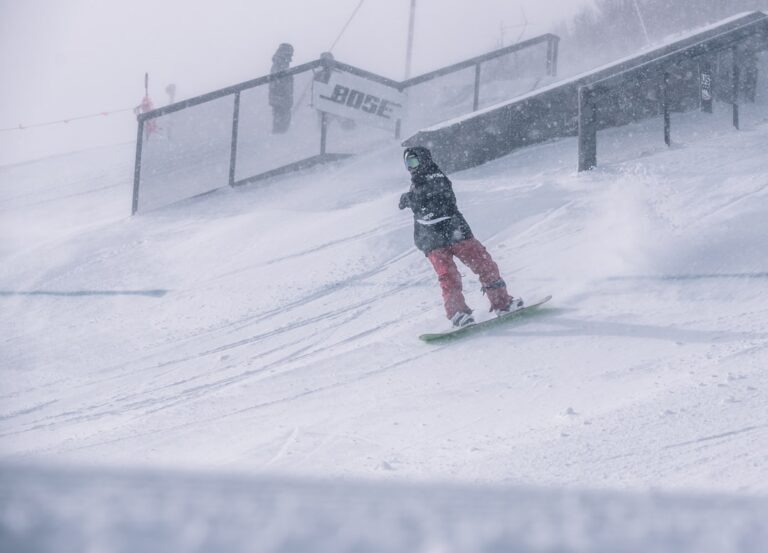
Snowboard competitions: beginner-friendly events
Snowboard competitions are like the Olympics for everyone who loves the feeling of freedom and adrenaline on the slopes. Imagine standing on your board, surrounded by …
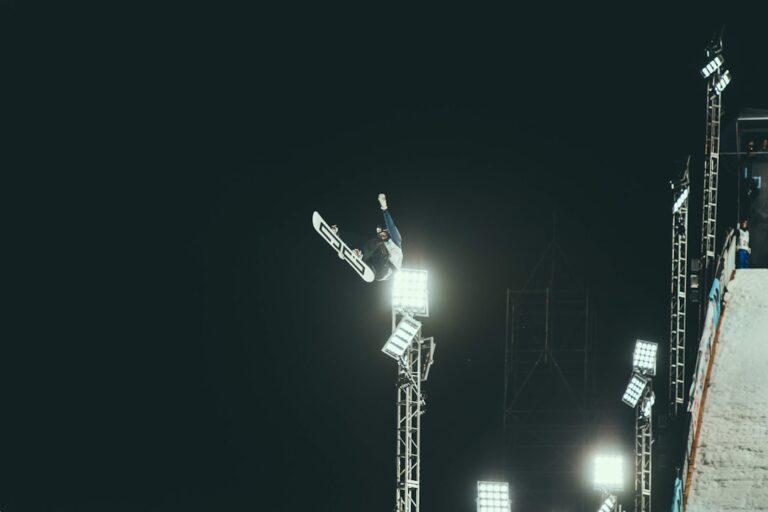
How to look after your snowboard gear properly
When you put your snowboard back in the garage after an epic day on the slopes, it’s easy to just leave it there and assume it’ll …

The best snowboard brands for beginners
Choosing the right snowboard brand is like deciding whether to take your coffee with or without milk – it can make a huge difference! When you’re …