

How to prepare for your first snowboard season
When you start snowboarding, having the right gear is everything. Think of it like cooking: if you have the best ingredients, the dish simply turns out better. The same goes for your snowboard set-up! First you need a board that suits your …
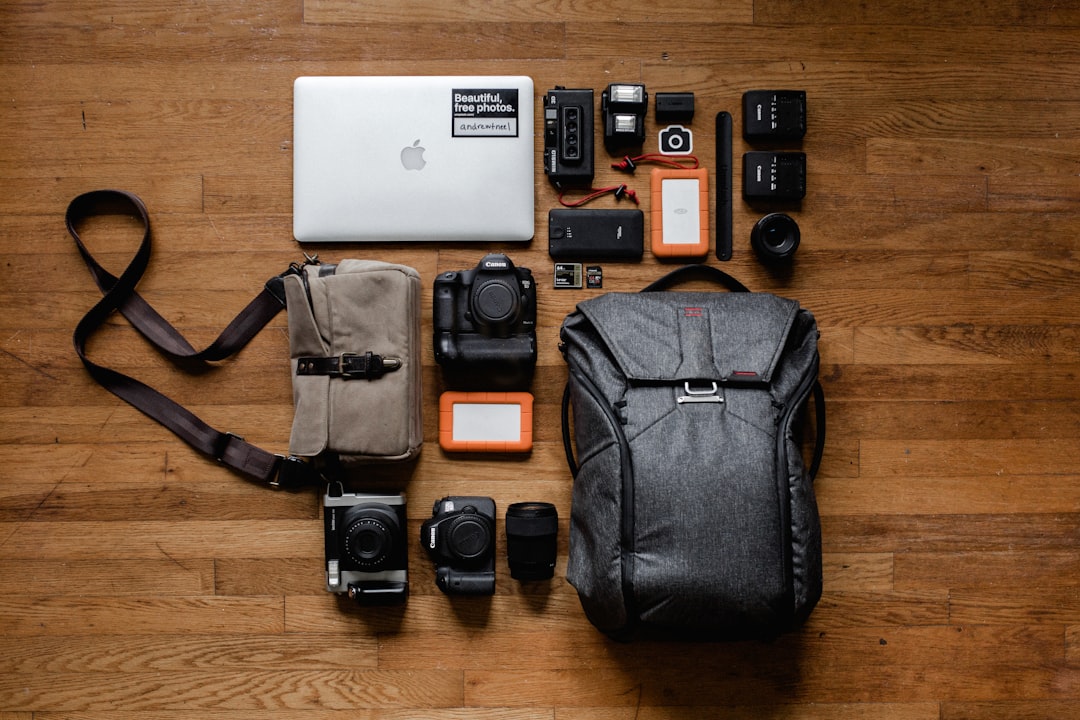
When you start snowboarding, having the right gear is everything. Think of it like cooking: if you have the best ingredients, the dish simply turns out better. The same goes for your snowboard set-up!
First you need a board that suits your riding style and your weight. There are different types of board – freestyle, all-mountain and freeride – and each has its own advantages. If you’re not sure which board is right for you, just ask in a specialist shop.
The people there are usually really helpful and can help you find the perfect board to put a smile on your face while you ride. But that’s not all! You also need the right bindings and boots.
Bindings are like the clothes your board wears – they hold everything together and make sure you stay in control. Make sure your bindings fit your boots well and are comfortable. And your boots?
They’re like your best friends on the slopes – they should fit well and give you the support you need without making you feel trapped in a vice. Once you have everything together, you’ll feel ready to hit the slopes!
Key takeaways
- Get the right gear before you start snowboarding.
- Prepare your body by exercising regularly and building up your stamina.
- Learn the right technique to avoid injuries and get more out of snowboarding.
- Find out about the dangers that can come with snowboarding and how to avoid them.
- Choose the right clothing to protect yourself from the cold and from injury.
Getting physically prepared
Before you venture onto the slopes, it’s important to get your body fit. Snowboarding is a pretty intense sport, and you don’t want to end up lying on the ground like a wet sack of potatoes after your very first run. A bit of fitness training can work wonders!
You can start with simple exercises such as squats, planks and lunges. These exercises strengthen your legs and your core – two areas that work especially hard when snowboarding. And hey, if you throw in a few cool moves, it feels much less like training and more like a little dance party!
But don’t forget to work on your stamina too! You don’t want to be out of breath after your first run, gasping like a fish out of water. Jogging or cycling are great ways to improve your fitness.
And if you do it with friends, it’s much more fun! Imagine having a little race – it doesn’t just get your pulse going, it also means plenty of laughs. When you finally stand on your snowboard, you’ll notice that all the effort was worth it!
Learning the right technique
Now comes the exciting part: technique! When you’re standing on the board and riding down the piste, it’s important to have the right technique. Many beginners make the mistake of just setting off and hoping for the best.
But believe me, it’s better to learn a few basic techniques before you throw yourself down the runs. One of the most important techniques is carving – here you use your board’s edges to make controlled turns. It feels like gliding on a wave – simply brilliant!
Another important point is braking. You don’t want to hurtle down the slope like a runaway snowball! On a snowboard you brake with your edges: you turn your board across the fall line and slide on your heel or toe edge.
With the “falling leaf” – where you drift back and forth across the slope like a falling leaf – you can practise this, and to stop you turn up the slope until your board is across it. That way you can control your speed. Practice makes perfect! Take your time to practise these techniques before you venture onto steeper runs.
And if you fall (which happens to everyone), remember: it’s all part of it! Laugh it off and just get back up – after all, you’re here to have fun!
Finding out about the dangers
Snowboarding is huge fun, but there are also some dangers you should know about. It’s important to be aware of the risks so you can get around the slopes safely. One of the most common dangers is other snowboarders or skiers.
It can get pretty crowded on the slopes sometimes, and it’s easy to overlook someone. So always pay attention to what’s around you and keep your distance from other riders. If you see another snowboarder heading in your direction, be ready to brake or get out of the way.
Another risk is sudden changes in the weather or unexpected obstacles on the piste. Sometimes the snow can be soft or icy – which has a big effect on how you ride. If you notice that the conditions aren’t ideal or that things look dangerous, don’t hesitate to take a break or choose a different run.
Safety comes first! And if you do fall (which happens to everyone), try to stay calm and get back on your feet quickly. After all, you’re here to have fun, not to get stuck in the snow!
Choosing the right clothing
The right clothing can make the difference between a great day on the slopes and a frustrating one. You don’t want to freeze or sweat buckets! Make sure you wear several layers – that keeps you warm and is easy to adjust.
A good base layer made of breathable material wicks sweat away from your skin. On top of that goes an insulating layer (such as a fleece) and finally a waterproof jacket as the outer layer. That way you’re well equipped for all weather conditions!
Don’t forget the accessories either! A warm hat or a helmet protects your head from the cold and from knocks (yes, safety is cool!). Gloves are important too – cold hands can quickly spoil your fun.
And if you really want to look stylish, have a look at some cool goggles! They protect your eyes from sun and wind and make you look like a pro at the same time. When you’re well dressed, you’ll feel much more confident on the board!
Choosing the right runs
If you’re new to snowboarding, it’s important to choose the right runs. You don’t want to end up on a steep black run on your very first day, thinking: “What on earth was I thinking?” Start with the blue runs – they’re perfect for beginners and give you plenty of room to practise without too much pressure. On these runs you can refine your technique and slowly work your way up to more difficult descents.
And hey, don’t forget how important breaks are! If you notice you’re getting tired or losing concentration, take a short break in one of the cosy huts or on a bench with a view. It doesn’t just give you time to catch your breath, it also gives you the chance to enjoy the breathtaking scenery!
And who knows? Maybe you’ll meet other snowboarders there and can swap a few tips or just have a chat.
Finding out about the rules of snowboarding
Before you throw yourself into the adventure, you should also find out about the rules of snowboarding. Yes, snowboarding has rules too – they help prevent accidents and make sure everyone can have fun! One of the most important rules is: keep your distance from other riders!
If someone is riding in front of you or is close by, make sure you leave enough room. That gives you time to react and prevents collisions. Another rule concerns behaviour at the lifts: wait patiently in the queue and don’t push in!
When you’re sitting on the lift or getting off, make sure you don’t get in anyone’s way. And if you fall? No problem!
Just get back up quickly and clear the way – that way you make sure everyone can carry on riding safely. If everyone follows these simple rules, the day on the slopes will be much more enjoyable for all!
Preparing for different weather conditions
The weather can play a big part in snowboarding – sometimes it can change within minutes! That’s why it’s important to be prepared and stay flexible. Check the weather forecast before your trip and pack accordingly.
If it’s getting cold or snow is forecast, wrap up warm and bring extra layers – that way you’re prepared for anything. But you should be careful in bright sunshine too! The sun can be strong even when it’s cold.
So don’t forget your sun cream – yes, really! You don’t want to wake up the next day with a sunburnt face, thinking: “Why didn’t I put some on?” And if it gets windy? A good windbreaker can work wonders!
That way you stay warm and can concentrate fully on having fun. To sum up: snowboarding is an exciting sport full of fun and adventure! With the right gear, a bit of fitness preparation and some knowledge of technique and safety, you’re perfectly equipped for your first day on the slopes.
So grab your board and get ready for unforgettable experiences in the snow!
When you’re preparing for your first snowboard season, it’s important not only to learn the basics of snowboarding but also to wear the right winter clothing. In the article “Winter clothing for snowboard beginners: what you should wear” you’ll find useful tips on which clothes are ideal for beginners. It explains which materials keep you warm and dry and how best to dress for the slopes. This will help you feel comfortable and get through your first season successfully.
FAQs
What are the basic things I need for my first snowboard season?
You need snowboard gear consisting of a snowboard, snowboard boots and bindings. You should also wear warm, waterproof clothing, gloves, goggles and a helmet.
How can I prepare physically for my first snowboard season?
It’s important to improve your physical fitness, especially your leg muscles and your balance. You can build exercises such as squats, lunges and balance exercises into your training.
Which skills should I learn before my first snowboard season?
It helps to already have some basic skiing or snowboarding experience to make getting started easier. If you don’t have any experience yet, you can learn the basics such as standing, braking and turning on a snowboard course.
How can I prepare mentally for my first snowboard season?
It’s important to be patient with yourself and have realistic expectations. Learning new skills takes time and practice. Visualise your successes too, and imagine yourself standing confidently on your snowboard.
Which safety precautions should I take for my first snowboard season?
Safety comes first. Always wear a helmet and make sure your gear fits well and is in good condition. It’s also important to know the rules of the slopes and to be considerate of other winter sports enthusiasts.
You might also like
Snowboard competitions: beginner-friendly events
Snowboard competitions are like the Olympics for everyone who loves the feeling of freedom and adrenaline on the slopes. Imagine standing on your board, surrounded by …
How to look after your snowboard gear properly
When you put your snowboard back in the garage after an epic day on the slopes, it’s easy to just leave it there and assume it’ll …

The best snowboard brands for beginners
Choosing the right snowboard brand is like deciding whether to take your coffee with or without milk – it can make a huge difference! When you’re …