

How to choose the right snowboard as a beginner
When you’re buying a snowboard for the first time, choosing the right board length can feel like looking for a needle in a haystack. But don’t worry, I’m here to help! The length of your board is crucial for how much you …
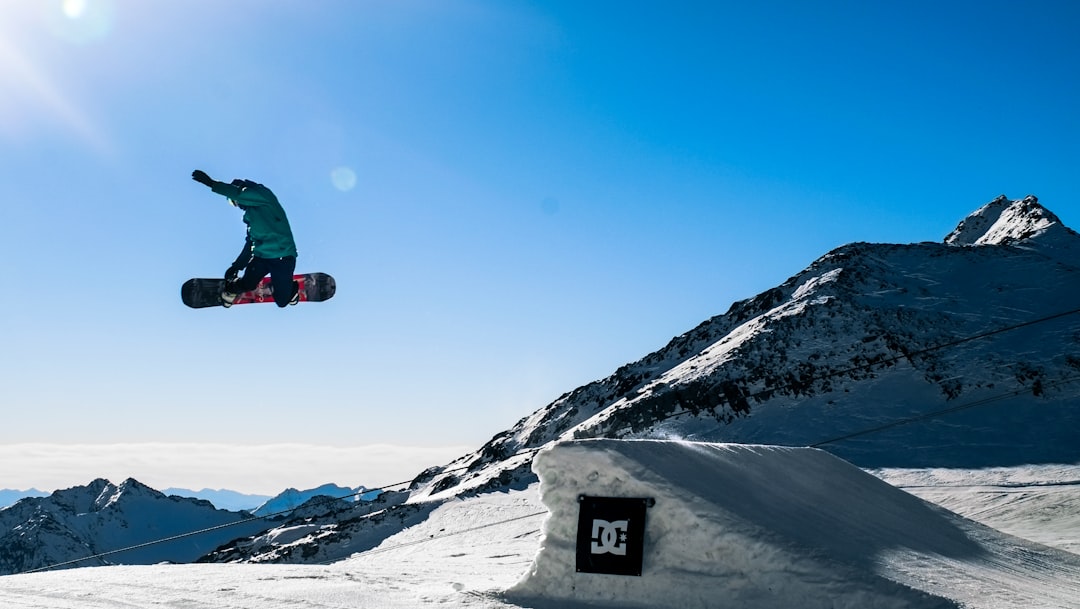
When you’re buying a snowboard for the first time, choosing the right board length can feel like looking for a needle in a haystack. But don’t worry, I’m here to help! The length of your board is crucial for how much you enjoy riding and how much control you have on the slopes.
As a general rule: the taller you are, the longer your board should be. A simple rule of thumb is that when you stand the board upright, it should reach roughly to your chin or your nose. If you’re a beginner, a shorter board can help you be more agile and get the hang of turns more quickly.
But hey, if you’re an experienced rider who loves speed, a longer board might be just the thing for you. The right board length also has a big impact on your stability and balance. A board that’s too short can start to wobble at higher speeds, while one that’s too long can hold you back when turning and manoeuvring.
Imagine trying to ride a tiny wave on a huge surfboard – it’s not going to end well! So take your time to find the right length for your board. It’s worth trying out different lengths to find out what feels best for you.
And don’t forget: if you’re not sure, it’s always better to go a little shorter!
Key takeaways
- The right board length is crucial for your riding performance and stability on the slopes.
- Choose your snowboard’s flex to match your riding style and how much control and responsiveness you want.
- Make sure the board width suits your boot size to ensure the best possible power transfer.
- Different snowboard shapes and designs offer different riding characteristics and uses.
- The right materials and construction affect a snowboard’s weight, durability and performance.
- Choose snowboard bindings that suit your riding style and your needs, for comfort and control.
- Take your riding style and ability into account when choosing a snowboard, so you can improve your performance.
- Match your choice of snowboard to your budget without neglecting quality and fit.
Choosing the right flex
Now we come to your snowboard’s flex – that’s how flexible the board is, and it has a huge influence on how your ride feels. A softer board is perfect for beginners or freestyle riders who want to do tricks and jumps. It’s forgiving of mistakes and makes riding in the air much easier.
So if you’re just starting out or simply want to have fun in the park, a soft flex is just right for you. You’ll feel like a bird gliding through the air – well, maybe not quite as elegant, but you get the idea! On the other hand, there are the stiffer boards.
These are ideal for experienced riders or anyone who likes to ride fast and carve precise turns. A stiffer board gives you more stability at high speeds and lets you attack turns more aggressively. So if you’re an adrenaline junkie who wants to bomb down the pistes like a pro, you should go for a board with a stiffer flex.
Remember: flex is like getting the mix of ingredients right in your favourite recipe – it just has to be right!
The right board width for your boot size
The width of your snowboard is another important factor you shouldn’t ignore. If your board is too narrow, you risk your boots catching in the snow – and believe me, that’s not the best feeling! You don’t want to look like a penguin trying to walk on ice.
A good rule of thumb: if you have larger feet (EU size 44 and up), you should consider a wider board. It gives you more stability and prevents annoying “toe drag” when you lean into turns. But don’t worry, even if you have smaller feet, there are plenty of options for you!
A narrower board can help you react faster and be more agile. It’s like buying shoes – you want to make sure they fit well and are comfortable. So when you choose your snowboard, make sure the width matches your boot size.
That way you can stay in control while getting the most fun out of your time on the slopes!
The different shapes and designs of snowboards
Now it gets exciting! The shape and design of your snowboard can have a big influence on your riding experience. There are different types of snowboard: freestyle boards are shorter and more agile, while all-mountain boards are versatile and suit both pistes and powder.
If you love riding in the park and doing tricks, a freestyle board is just right for you. It feels like a skateboard on snow – pure fun! But let’s talk about shape too!
Rocker boards have an upturned tip and are perfect for powder days. They help you glide over the snow like a butterfly over a meadow of flowers. On the other hand, there are camber boards, which give you more grip on hard snow and help you carve precise turns.
It’s like choosing between different flavours of ice cream – everyone has their favourites! So think carefully about which type of snowboard suits your riding style best.
Why the right materials and construction matter
When it comes to snowboards, the material plays a crucial role in your board’s performance and durability. High-quality materials make sure your board is light yet stable. After all, you don’t want to ride down the mountain on a heavy lump!
Many boards are made from a combination of wooden core elements and fibreglass or carbon fibre – this gives a good balance between flexibility and stability. Your board’s construction also affects how responsive it is. A well-built board will react faster to your movements and give you more control over your riding.
Remember: a snowboard is like a good car – the better it’s built, the better it rides! Invest in a high-quality board, because it will pay off in the long run – in terms of both performance and fun!
Choosing the right snowboard bindings
Now we come to an often overlooked part of snowboarding: the bindings! Bindings are the link between you and your board – they make sure you’re securely attached and that your movements are transferred directly to the board. There are different kinds of bindings: soft bindings are comfortable and ideal for freestyle riders, while hard bindings offer more support and are better suited to aggressive riders.
When choosing your bindings, you should also pay attention to size – they need to fit your boots perfectly! If your bindings are too loose, you’ll slide around like a fish out of water while you ride. And if they’re too tight?
Well, then you’ll feel like you’re locked in a shoebox! Make sure your bindings fit well and give you the support you need – that way you can focus completely on having fun!
Taking your riding style and ability into account
Before you make your final decision on a snowboard, you should consider your riding style and ability. Are you a beginner or already an experienced rider? Do you prefer riding in the park, or do you love cruising through powder?
Your riding style has a major influence on the type of board that suits you best. If you’re just starting out, look for a board that’s forgiving and helps you improve your technique. For experienced riders there are plenty of options – from aggressive all-mountain boards to specialised freestyle boards.
Also think about where you like to ride most: on groomed pistes or off the beaten track? Your riding style is like your personal fingerprint in the snow – unique and individual! Take your time to find out what suits you best.
Matching your snowboard to your budget
Last but not least, we need to talk about budget – because nobody wants to come home from a ski holiday broke! Snowboards come in every price range, from affordable entry-level models to high-end boards for pros. It’s important to strike a balance between quality and price.
You don’t have to buy the most expensive board to have fun; there are often great deals on good quality. Remember: a good snowboard is an investment in your fun on the slopes! So if you can spend a little more, it’s often worth investing in a high-quality board.
But don’t panic – there are also lots of great second-hand boards out there! Have a look around and find the perfect board for your budget – that way you can be sure you’re ready for unforgettable adventures in the snow!
If you’re just starting out with snowboarding and are looking for more information on how to choose the right snowboard, it might also help to learn a bit about the basics of snowboarding. The Learn2Ride Oberhof website has an interesting section that answers frequently asked questions about the snowboard school. It could give you extra insight and make your decision easier. Take a look by clicking here.
FAQs
What are the most important things to look out for as a beginner when buying a snowboard?
As a beginner, you should pay attention to the length and width of the snowboard to find the right fit for your height and weight. It’s also important to choose a snowboard with a soft flex to make it easier to control.
Which snowboard shape is best for beginners?
A twin-tip snowboard is best for beginners, as it can be ridden forwards and backwards and offers good balance. This makes it easier to learn the basic skills.
What kind of bindings should a beginner choose?
Beginners should go for soft bindings that offer good flexibility and comfort. This type of binding makes it easier to learn movements and tricks.
Why is it important to choose the right snowboard as a beginner?
Choosing the right snowboard as a beginner is important to make learning easier and to stay safe on the slopes. A suitable snowboard helps you learn the basics of snowboarding more quickly and boosts your confidence.
You might also like
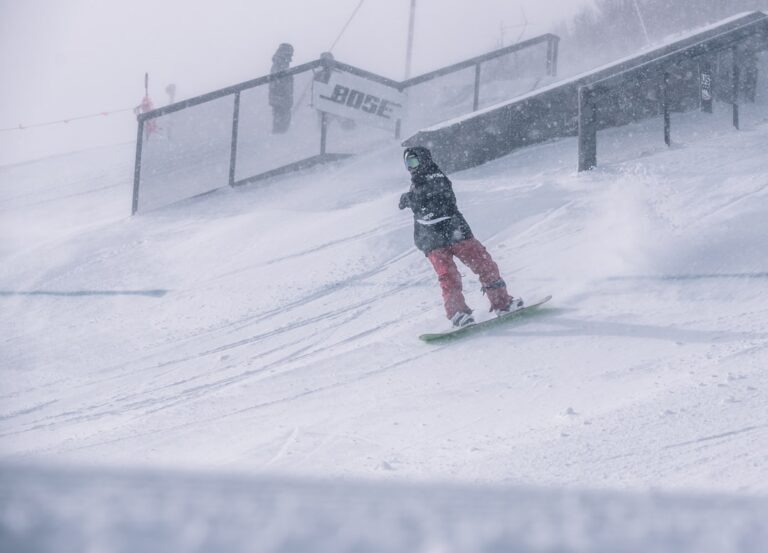
Snowboard competitions: beginner-friendly events
Snowboard competitions are like the Olympics for everyone who loves the feeling of freedom and adrenaline on the slopes. Imagine standing on your board, surrounded by …

How to look after your snowboard gear properly
When you put your snowboard back in the garage after an epic day on the slopes, it’s easy to just leave it there and assume it’ll …

The best snowboard brands for beginners
Choosing the right snowboard brand is like deciding whether to take your coffee with or without milk – it can make a huge difference! When you’re …