

The best snowboard exercises for beginners
If you’re just starting out with snowboarding, it’s important to master the basics before you throw yourself down the steeper runs. One of the first exercises you should try is “strap in and stand”. Strap yourself onto your board and simply try …
If you’re just starting out with snowboarding, it’s important to master the basics before you throw yourself down the steeper runs. One of the first exercises you should try is “strap in and stand”. Strap yourself onto your board and simply try to stand.
It might sound easy, but it helps you get a feel for the board and your balance. You’ll soon notice that standing on a board is completely different from standing on solid ground. If you feel yourself wobbling, try bending your knees slightly and spreading your weight evenly.
It’s like yoga – except you’re not standing on a mat but on a slippery plank! Another basic exercise is “sliding”. Here you simply ride down a gentle slope while trying to keep your balance.
You can take one foot out of the binding and leave the other on the board so you can push yourself along more easily. That gives you the chance to learn to control your board while getting a feel for speed. Once you feel more confident, you can try sliding with both feet on the board.
Remember: every fall is a lesson! So laugh it off and get back up – it’s all part of it!
Key takeaways
- Keep your knees slightly bent and your upper body upright to improve your balance on the snowboard.
- Practise carving by shifting your weight onto your toe and heel edges to make precise turns.
- Turn by rotating your shoulders and hips in the direction you want to go while keeping your eyes looking ahead.
- Control your speed by steering with your edges and braking by sliding across the slope on your heel or toe edge.
- Pay attention to your posture by keeping your arms relaxed and spreading your weight evenly over both legs.
Balance exercises on the snowboard
Balance is the key to snowboarding, and there are some cool exercises that can help you improve your stability. A simple one is “standing on one leg”. Strap onto your board again and lift one foot while trying to keep your balance.
It can be tricky at first, but it will help strengthen your core muscles and improve your balance. Once you feel you’re doing well, you can try moving gently from side to side or even making small turns. It’s like a balancing act on a tightrope – except you’re not at a dizzying height!
Another great exercise is “squats on the board”. Stand on your board with both feet and go into a shallow squat. Hold this position for a few seconds while trying to keep your balance.
This exercise doesn’t just strengthen your legs, it also helps you develop a better feel for the board. When you feel ready, you can try doing the squat while sliding. That will help you improve your balance on the move and feel more confident on the board.
Carving techniques for beginners
Carving is one of the coolest techniques in snowboarding and is great fun! But before you dive into turns like a pro, you should understand the basics of carving. Start by riding a gentle curve and leaning your body slightly to the side.
Imagine you’re drawing a line in the snow with your body – the more you lean, the deeper the turn. Make sure your weight is spread evenly over both feet and that your knees are slightly bent. Once you feel in control, you can try making your turns tighter.
Another important technique in carving is “edging”. This means actively using your board’s edges to control your turns better. As you go into a turn, press down on the edge of the board with your foot – that way you grip the snow better and get through the turn faster.
It’s like driving a car: when you go into a bend, you have to turn the steering wheel too! Practise this technique on gentle slopes and slowly work your way up to steeper runs. You’ll see how much fun it is to carve through the snow!
Exercises to improve your turns
Turns are an important part of snowboarding and can help you get around the slopes more safely and skilfully. A simple exercise to improve your turns is “snake lines”. Find a gentle slope and ride down it in a zigzag line.
Concentrate on turning your shoulders towards the next turn and shifting your weight accordingly. This exercise doesn’t just help you make your turns smoother, it’s great fun too! You’ll feel like a pro on the slopes.
Another effective exercise is “360-degree turning”. It might sound complicated, but don’t worry! You don’t have to land a perfect 360 straight away.
Start by riding in one direction and then turning your upper body the opposite way. That will help you get a feel for the movement. Once you feel confident, you can try doing the rotation while you ride.
Remember: practice makes perfect! And if you fall – no problem! That’s part of learning.
How to control your speed
Controlling your speed is crucial for a safe snowboarding experience. One of the simplest ways to control your speed is “braking”. You can do this by turning your board across the fall line and pressing its edge into the snow.
Imagine you’re a car that has to stop at a red light – braking on a snowboard works in a similar way! If you notice you’re getting too fast or can’t make a turn, don’t hesitate to use this technique. Another way to control your speed is “carving”.
If you can shift your weight as you go into a turn, your board will slow down. This is particularly useful on steeper slopes or when there are lots of other snowboarders around you. Always keep an eye on the piste and be ready to adjust your speed.
And remember: it’s better to ride slowly and in control than fast and unpredictably!
Snowboard exercises for your posture
Exercise: hip swings
I stand with both feet on my board and then try to move my hips from one side to the other. This helps me get a feel for how my body moves in relation to the board.
Upper body posture
I can also work on my upper body posture. I keep my upper body upright and my shoulders relaxed – that helps me balance better and react more quickly to changes in the terrain.
Flexibility and injury prevention
I can also try making small movements with my upper body while I ride – that keeps me flexible and ready for anything! Remember: good posture doesn’t just make riding more fun; it also helps me prevent injuries.
Tricks for braking and stopping
Braking and stopping are two of the most important skills in snowboarding – after all, you don’t want to hurtle down the slope out of control! One of the simplest ways to brake is sliding on your heel edge. Here you turn your board across the fall line, shift your weight onto your heels and gently press the edge into the snow.
This technique works particularly well on gentle slopes and gives you more control over your speed. Once you have a bit more experience and feel more confident, you can also try the “falling leaf”. Here you slide across the slope and drift alternately left and right like a falling leaf – sometimes on your heel edge, sometimes on your toe edge.
And when you want to come to a complete stop, you turn up the slope until your board is across it – that way you slow down faster and stop safely, perfect for steeper runs or when there are lots of other snowboarders around you! And don’t forget: practice makes perfect! The more you practise, the better you’ll get.
Advanced snowboard exercises for beginners
Once you feel a bit more confident and are ready for new challenges, there are some advanced exercises that can help you develop your skills further. One of them is “riding in deep snow”. Find an area away from the groomed pistes and try riding there.
It can be tricky at first – the snow can be soft and your board may behave differently from how it does on hard snow. But don’t worry! With a bit of practice you’ll quickly learn how to find your way through deep snow.
Another exciting exercise is small jumps or “kickers”. Find a gentle bump or a small ramp and try a small jump there. Make sure you lean your upper body forward as you take off and bend your knees when you land – that way you stay stable!
These exercises don’t just help build your confidence; they’re great fun too! And who knows? Maybe you’ll be the next snowboard pro in your group!
Now you’re ready for the slopes! Remember: every fall brings you closer to your goal – so have fun along the way!
If you’re just starting out with snowboarding and are looking for more helpful resources, I recommend reading the article Snowboarding techniques for beginners: tips and tricks. It offers a wealth of information and practical tips that will help you improve your snowboarding skills quickly. From basic techniques to useful tricks that make learning easier, you’ll find everything you need there to ride the slopes safely and have fun.
FAQs
What gear do I need for snowboard exercises as a beginner?
You need a snowboard, snowboard boots, a suitable snowboard jacket and trousers, gloves, goggles and a helmet. It’s also a good idea to wear wrist, knee and elbow protectors.
Which basic snowboard exercises are suitable for beginners?
Important basic exercises for beginners include learning the correct stance and balance, gliding on flat terrain, braking, and falling and getting up correctly. Practising toe-side and heel-side turns and riding in a straight line are also essential.
How can I improve my balance and stability on the snowboard?
To improve your balance and stability, you can do exercises such as standing on one leg, balancing on an unstable surface and training your core muscles. Yoga and Pilates can also help strengthen your stability.
Which muscles are mainly used when snowboarding?
Snowboarding mainly works the leg muscles, core muscles, shoulder muscles and back muscles. To prevent injuries and improve your performance, it’s important to train these muscles specifically.
How can I prepare for the snowboard season as a beginner?
To prepare for the snowboard season, you can improve your general fitness, strengthen your leg muscles and train your balance and coordination. It’s also a good idea to attend a snowboard school before your first day on the slopes so you can learn the basics.
You might also like
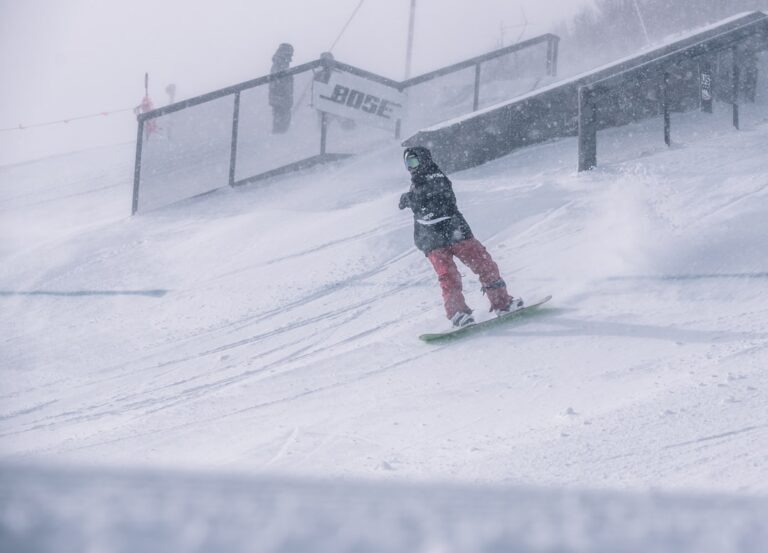
Snowboard competitions: beginner-friendly events
Snowboard competitions are like the Olympics for everyone who loves the feeling of freedom and adrenaline on the slopes. Imagine standing on your board, surrounded by …
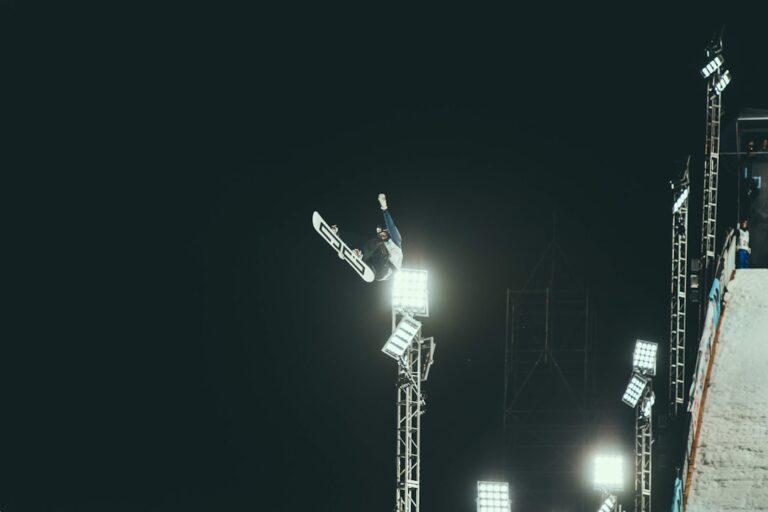
How to look after your snowboard gear properly
When you put your snowboard back in the garage after an epic day on the slopes, it’s easy to just leave it there and assume it’ll …

The best snowboard brands for beginners
Choosing the right snowboard brand is like deciding whether to take your coffee with or without milk – it can make a huge difference! When you’re …