

Snowboarding techniques for beginners: tips and tricks
When you step onto a snowboard for the first time, choosing the right gear can feel like searching for the Holy Grail. But don’t worry, I’m here to help! First of all, it’s important to choose a board that suits your riding …

When you step onto a snowboard for the first time, choosing the right gear can feel like searching for the Holy Grail. But don’t worry, I’m here to help! First of all, it’s important to choose a board that suits your riding style and your weight.
A shorter board is often easier to control and is great for beginners, while longer boards offer more stability at higher speeds. You should also make sure your bindings fit properly and your boots are comfortable. If your feet feel like they’re squeezed into shoes that are too tight, snowboarding quickly turns into torture.
So grab a pair of boots that feel like walking on clouds – that’s the key! Now let’s move on to the different snowboarding techniques that are best for beginners. One of the simplest and most effective is the “heel technique”.
Here you shift your weight onto your heels to steer the board and change direction. It might sound simple, but it takes a bit of practice to keep your balance. You’ll probably fall flat on your face a few times – don’t worry, that’s all part of it!
Another good tip is to start with a “soft flex” board. These boards are more flexible and more forgiving of mistakes, which helps you make progress faster. Remember: every pro was once a beginner, so don’t let it get you down!
The right body position on the snowboard is crucial for keeping your balance and staying in control of your board. Imagine you’re a surfer on a wave – you need to be flexible and ready to adapt! Start with your knees slightly bent and your upper body leaning slightly forward.
Your shoulders should point towards your feet, and you can hold your arms loosely out to the side to steady your balance. If you feel like a penguin, you’re on the right track! A common beginner’s mistake is leaning back too far.
That can make you lose control of your board and fall faster than a snowball melts in the sun. Instead, try to spread your weight evenly between your feet. If you feel yourself starting to slide, gently shift your weight forward onto your toes.
It’s like dancing – if you keep to the rhythm and keep moving, you won’t lose your balance. Practise this position on flat ground before you venture onto steeper slopes!
Now it gets exciting! You’re ready for your first turns on the snowboard. First, find a gentle slope – nothing too steep, so you don’t go head over heels straight away!
Start by “riding straight”, simply heading straight down the slope. That gives you a feel for the board and how it moves underneath you. Once you feel confident, you can start making your first turns.
The key is shifting your weight: for a toe-side turn, shift your weight onto the balls of your feet; for a heel-side turn, onto your heels – and gently lead the movement with your shoulders in the new direction. A common mistake is putting too much force into your turns. Remember: you’re not the Hulk!
Smooth movements are the key to success. If you feel your board isn’t responding, it might be because you’re too stiff. Let your knees and hips do the work – they’re your best friends when snowboarding!
And hey, if you fall (which you probably will), take it with a sense of humour! Every fall is a lesson and a good story for later. So grab your board and get ready for your first turns – it’s going to be huge fun!
Braking and stopping are two of the most important skills in snowboarding – after all, you don’t want to hurtle down the slope like a runaway snowball! One of the easiest ways to brake is sliding on your heel edge. Turn your board across the fall line, shift your weight onto your heels and gently press the edge into the snow – and you’ll slide in control and slow down!
This technique doesn’t just help you brake, it also gives you more control over your speed. Practise braking on a flat patch of snow before you venture onto steeper terrain. It works the same way on your toe edge, and with the “falling leaf” – where you drift back and forth across the slope like a falling leaf – you can practise both. To stop, simply turn up the slope until your board is across it. Another useful tip is “cutting” or “carving”.
Here you shift your weight from one edge to the other and use the board’s edges to make smooth turns while scrubbing off speed at the same time. It’s like driving a car: when you go into a bend, you need to slow down! Always keep an eye on the slope and be ready to adapt your technique.
And if everything goes wrong and you start to slide – don’t panic! Take a deep breath and just try to get your balance back. The most important thing is to have fun!
Not all snow is the same – every snowboarder knows that! Whether it’s fresh powder or a hard, icy piste, every condition calls for a different technique. When you ride on soft powder, you might feel like a bird in flight – it’s fun and wonderfully fluffy!
Here it’s important to spread your weight evenly and make smooth movements. Avoid pressing too hard into your edges; instead, try to glide over the snow like a butterfly over a meadow of flowers. On the other hand, there’s the icy piste – things can get slippery very quickly here!
In this case you should use your edges more and make sure your weight is well distributed. If you notice your board starting to slide, try to react quickly and shift your weight forward. It’s like surfing a wave: you always have to be ready to adapt!
And don’t forget: when the weather changes, the snow can change quickly too. So pay attention to how the snow feels and adapt your technique accordingly.
Safety comes first when snowboarding – after all, you don’t just want to have fun, you want to stay in one piece too! One of the most important rules on the slopes is to always be considerate of other riders. Keep your distance from other snowboarders and skiers and make sure you don’t suddenly appear in front of someone – that could end badly!
If you’re riding down a slope and someone is coming up behind you, give them plenty of room to overtake. It’s like being on the road: everyone has their own space! Another important point is wearing a helmet.
Yes, I know – helmets don’t always look as cool as the latest sunglasses or jackets. But believe me: a helmet can save you a lot of headaches if you fall! Besides, there are lots of stylish helmets on the market these days – so find one you like!
And don’t forget: if you’re tired or the weather turns bad, take a break! There’s nothing worse than a fall caused by exhaustion or poor visibility. So stay safe and enjoy every run!
If you already feel confident on your board and are ready for the next step – great! There are lots of advanced techniques that can help you develop your skills further. One of them is “carving”. Here you use your board’s edges more intensively and ride through turns at higher speed. It feels like dancing with the snow – elegant and smooth! To get better at carving, work on your body position and learn to shift your weight correctly. Another exciting technique is jumping! Yes, exactly – I’m talking about the cool tricks in the park or over small bumps on the piste. Start with small jumps and work your way up slowly. Make sure you bend your knees when you take off and absorb the landing softly – that way you avoid injuries and look good doing it! And hey – if a jump doesn’t work out (which can happen), take it with a sense of humour! Every fall brings you closer to your next success.
Snowboarding should always be fun – after all, you’re out here in nature enjoying the fresh air! To stay motivated, set yourself small goals: maybe today you want to learn a new turn or try a small jump? Celebrate every bit of progress – no matter how small!
And don’t forget: there’s nothing better than a good time with friends on the slopes. Plan trips or friendly competitions together – it’s not just fun, it adds a healthy dose of competition too! If you have a bad day or feel like nothing is working – take a break!
Sit down in a cosy mountain hut or enjoy a hot chocolate in the snow. Sometimes it just helps to switch off and recharge your batteries. And remember: everyone has bad days – even the pros!
So grab your board and get ready for new adventures in the snow!
If you want to get the basic techniques down confidently, the article “The best snowboard exercises for beginners” could be really useful for you. In it you’ll find simple exercises to help you master your first days on a snowboard. You can read the article here. It’s a great resource for getting started on the slopes safely and having fun.
FAQs
What are the basic snowboarding techniques for beginners?
As a beginner, you should first learn the correct stance on the snowboard. Then you can start gliding, braking and turning. It’s important to keep your balance and use the edges of the snowboard to steer.
What tips are there for beginners learning to snowboard?
It helps to book a snowboard instructor who can teach you the basics. You should also wear protective gear and practise on gentle, flat slopes before you venture onto steeper ones.
How can I improve my snowboarding technique?
Regular practice is the key to improving your snowboarding technique. You can also learn from advanced snowboarders by watching their technique and taking their tips on board. Taking a snowboard course can also help you refine your skills.
Which tricks can I learn as a beginner on a snowboard?
As a beginner, you should first concentrate on basic techniques such as riding in a straight line, braking and turning. Once you’ve mastered these, you can move on to simple tricks such as small jumps or riding over small obstacles.
You might also like
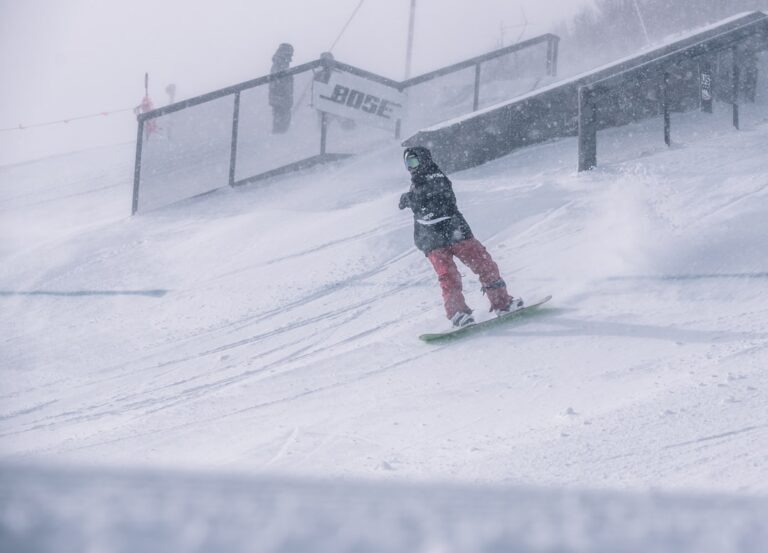
Snowboard competitions: beginner-friendly events
Snowboard competitions are like the Olympics for everyone who loves the feeling of freedom and adrenaline on the slopes. Imagine standing on your board, surrounded by …
How to look after your snowboard gear properly
When you put your snowboard back in the garage after an epic day on the slopes, it’s easy to just leave it there and assume it’ll …

The best snowboard brands for beginners
Choosing the right snowboard brand is like deciding whether to take your coffee with or without milk – it can make a huge difference! When you’re …